art advice

Misfit Mansion - Development and Concepts #3

With about a week and a day left until Mayhem at Misfit Mansion is out, here is the final part of the MM development series! I hope this has been an interesting read for fans of the book.

Pitching & Final Changes

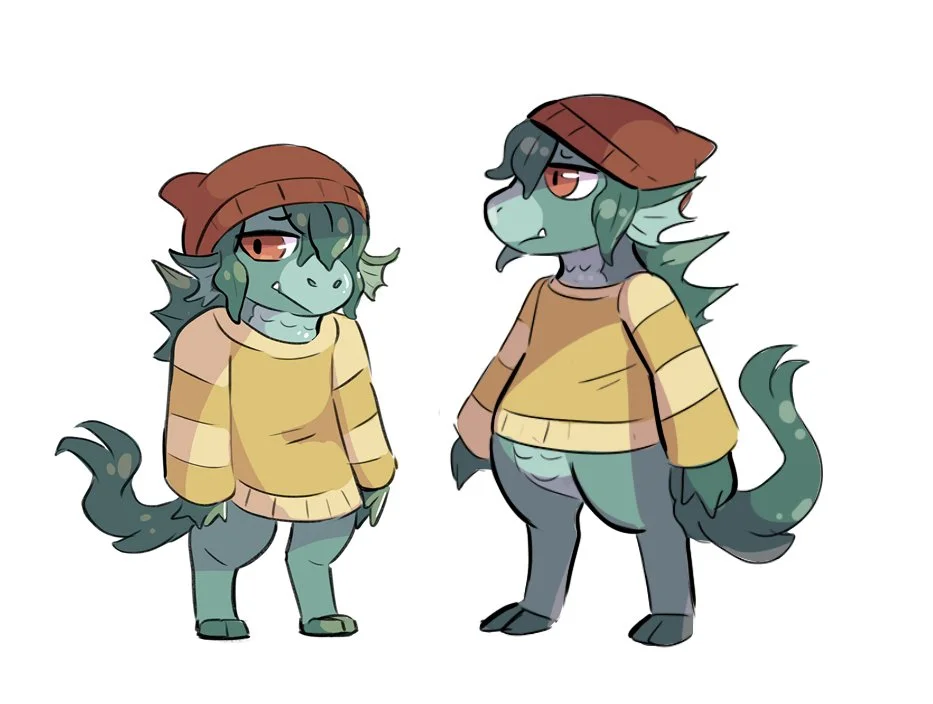
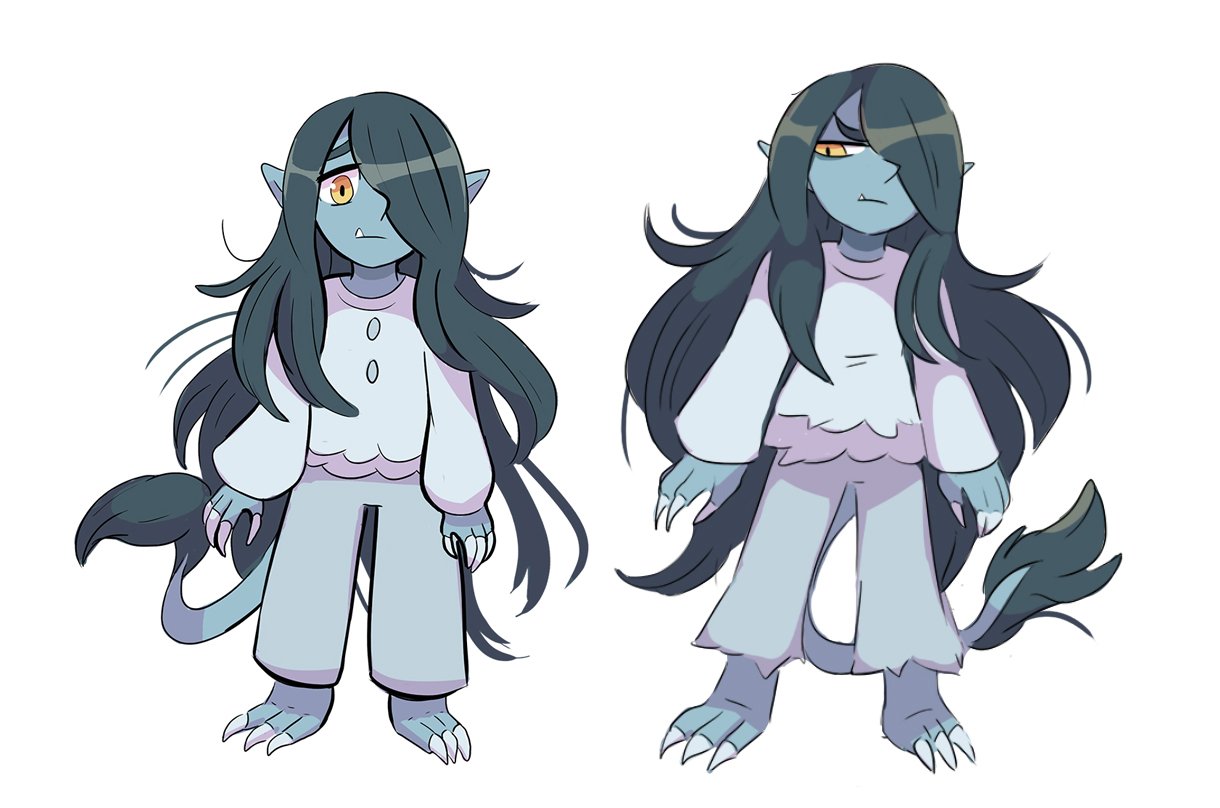
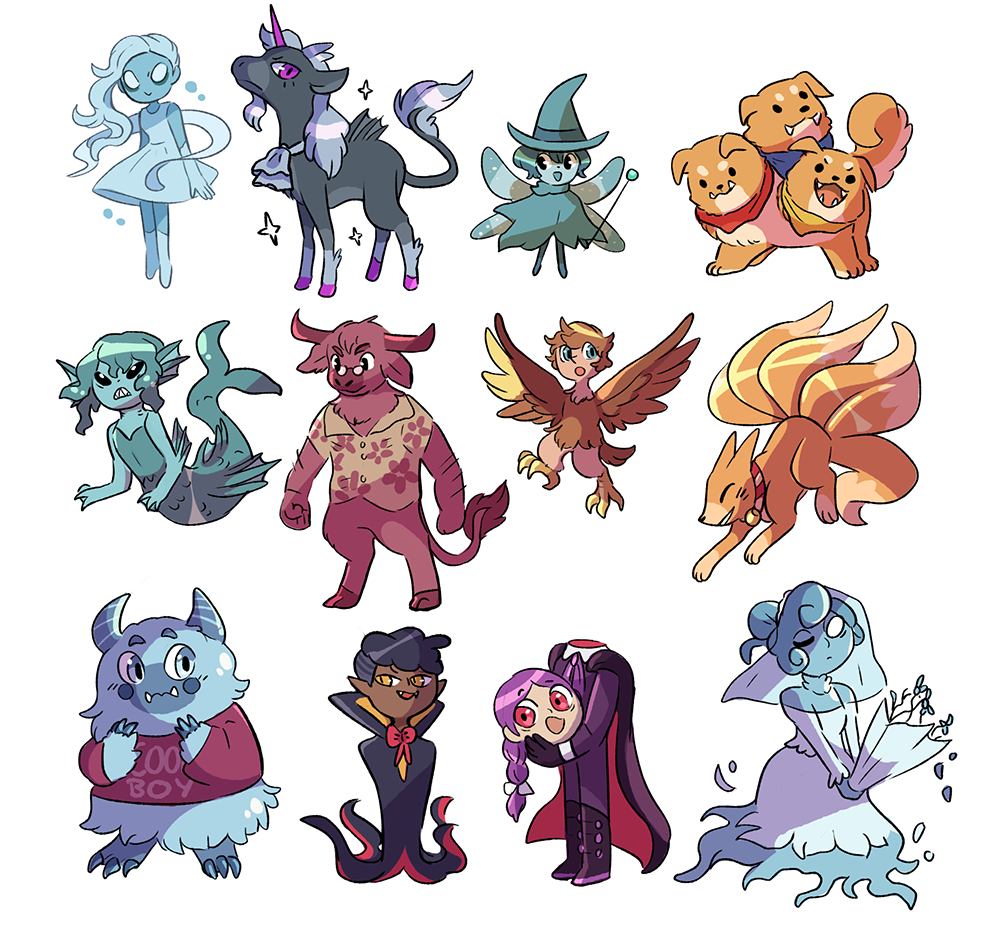
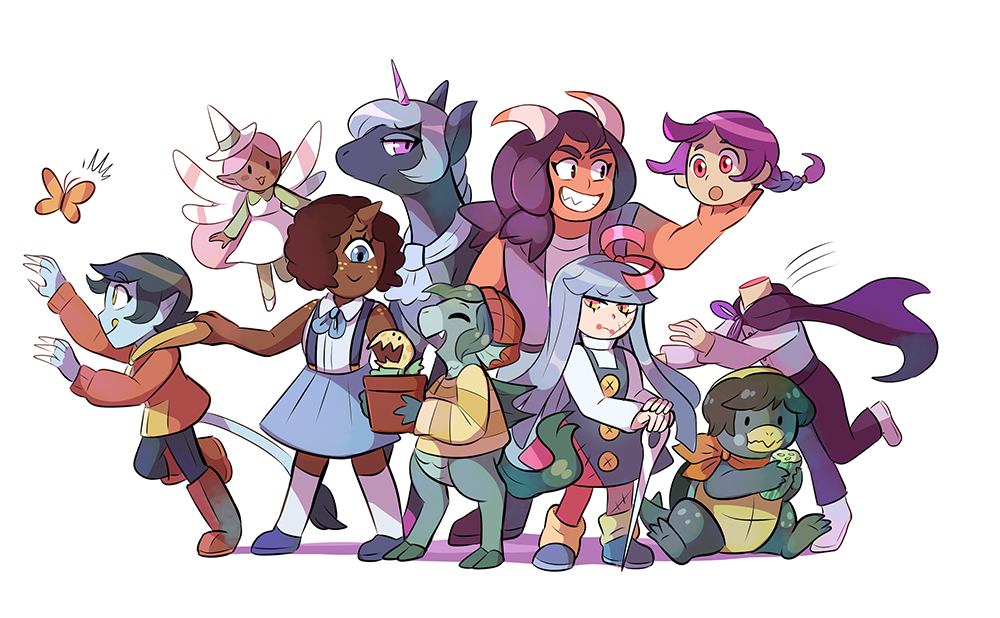
Once the story outline, sample pages and character designs were completed, it was time to pitch the book to publishers! When Home for Horrors was picked up, there were a few changes I was asked to make. The first was to start the story from Iris’s point of view, and to cut the part with the three-headed dog. I was also asked to make the characters look slightly older. Here’s a first pass at some redraws.
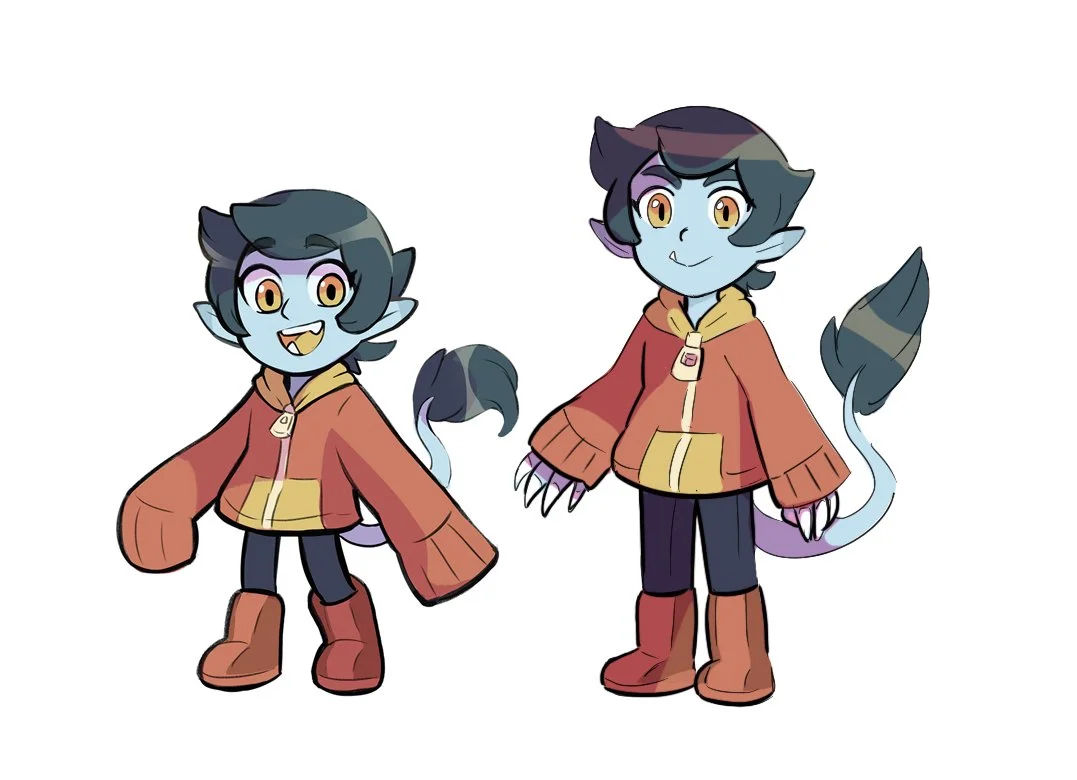
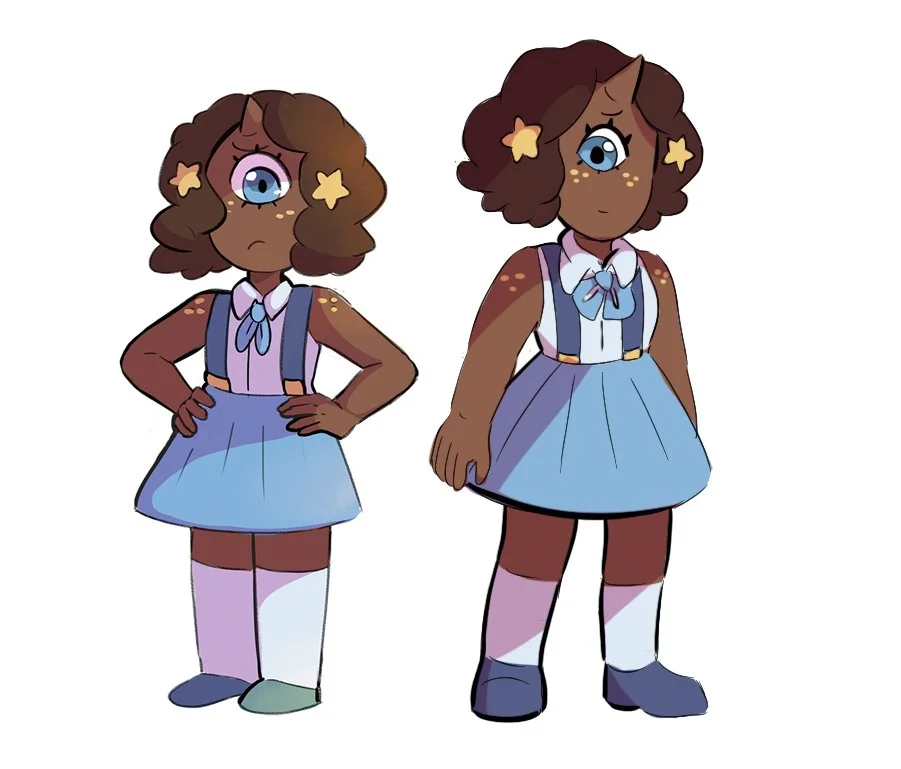
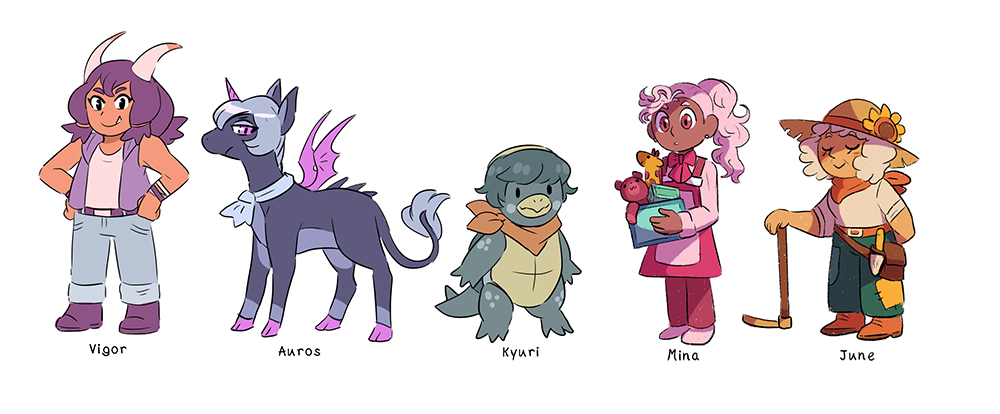
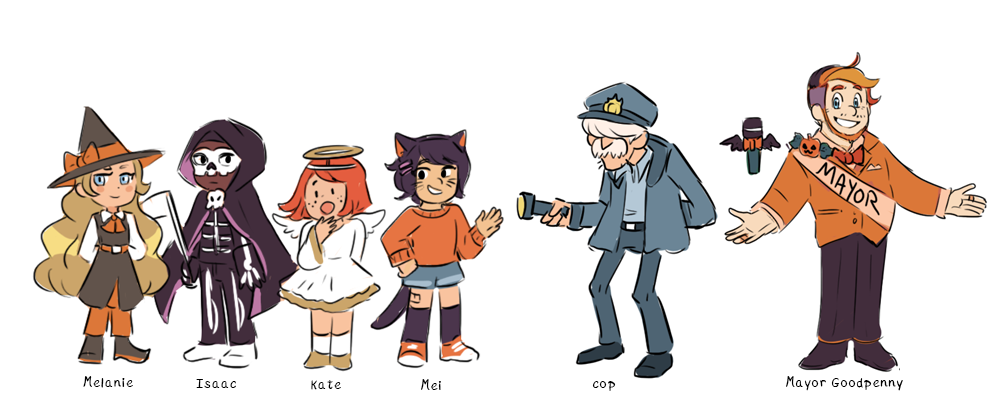
Some of the designs here are still a little different from the finals, like Agnes’s hair clips and Kel’s shirt pattern. I ended up going back and redrawing the cast again a few months later. I think I must have changed Kel and Dahlia’s outfits again when working on the final pages!

Creating the Book

I’ve written a little about how I make pages in another post, but here’s a closer look! I always start with a typed script and “thumbnails”, which are very rough drawings of the page layouts. These are submitted to the publisher first, so they can offer any edits before I move on to the actual drawn pages. I also like coloring the characters in with a solid color so that it’s easier to see who is who!

Example of a script page.

Thumbnailed pages.

Thumbnailed pages.

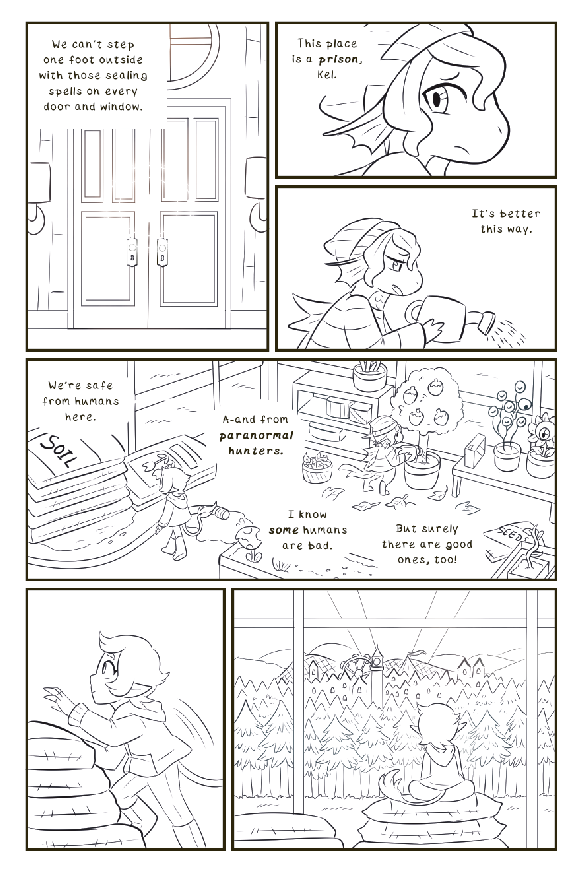
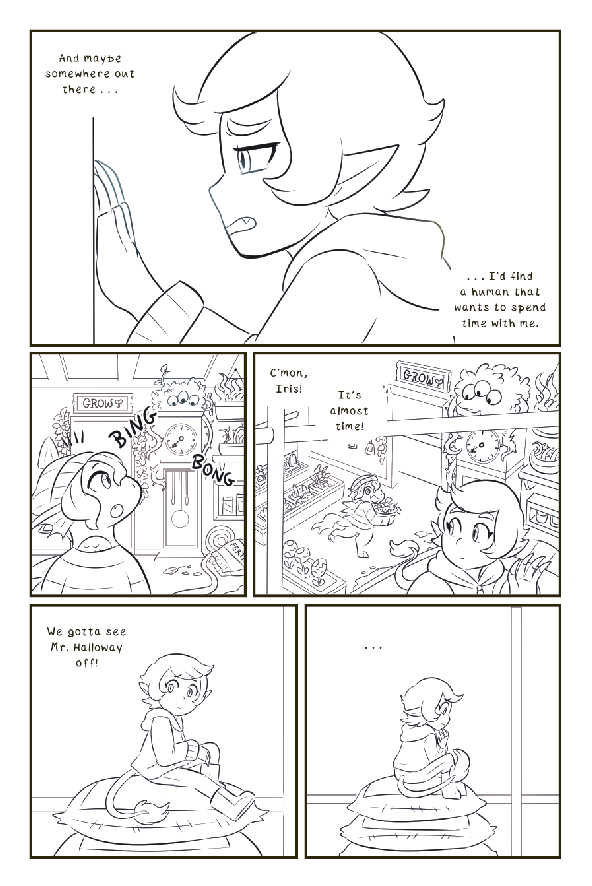
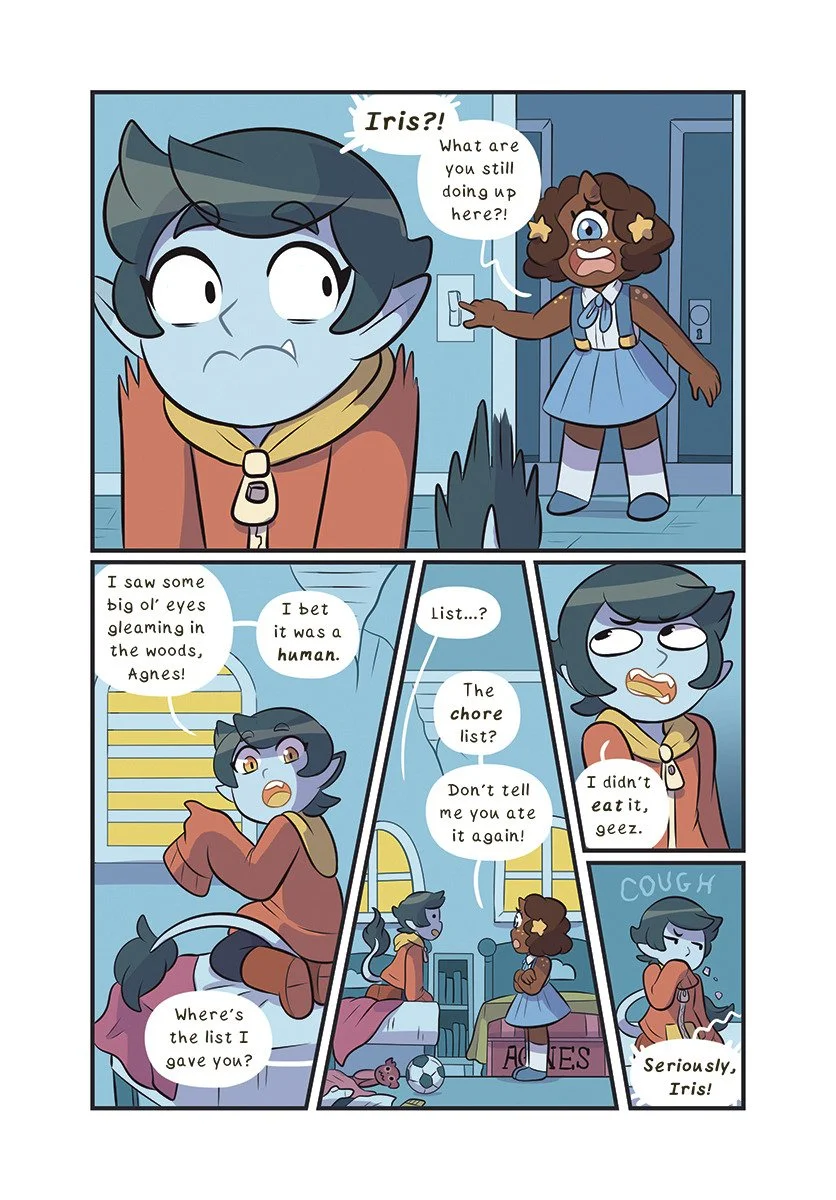
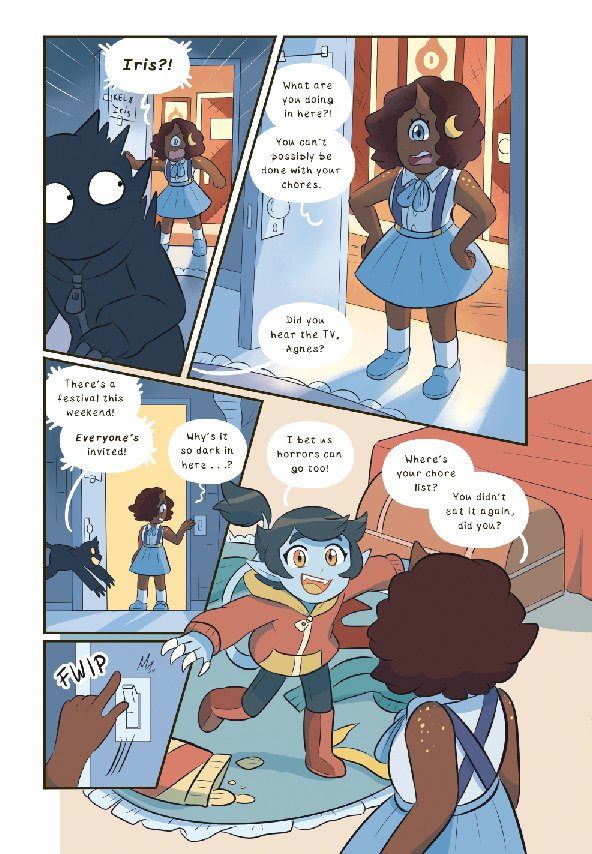
One requested edit was to change the direction Iris is facing on page 14 within the fifth panel to match the direction she’s moving in the fourth. That also meant flipping her in some of page 15’s panels as well. After edits are applied, I move on to the line art!
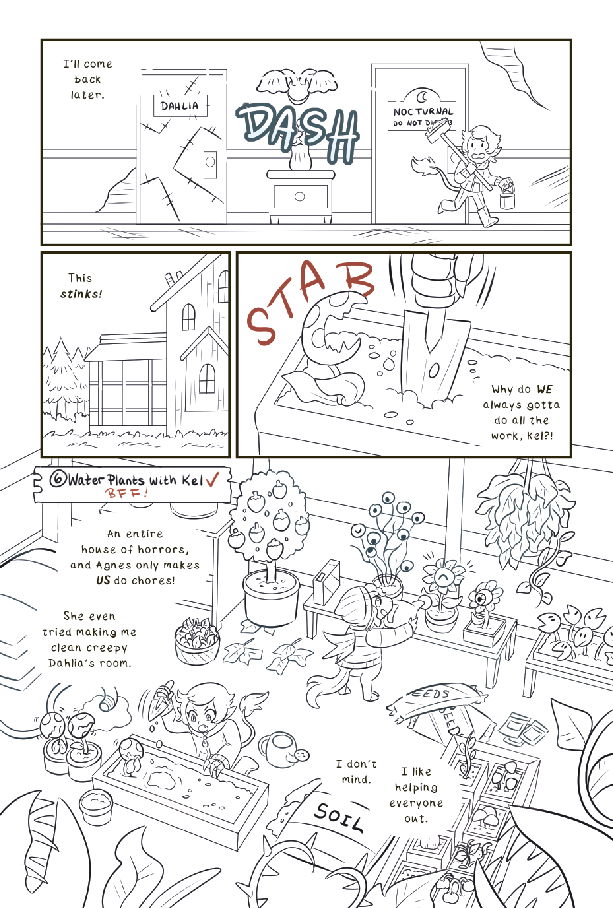
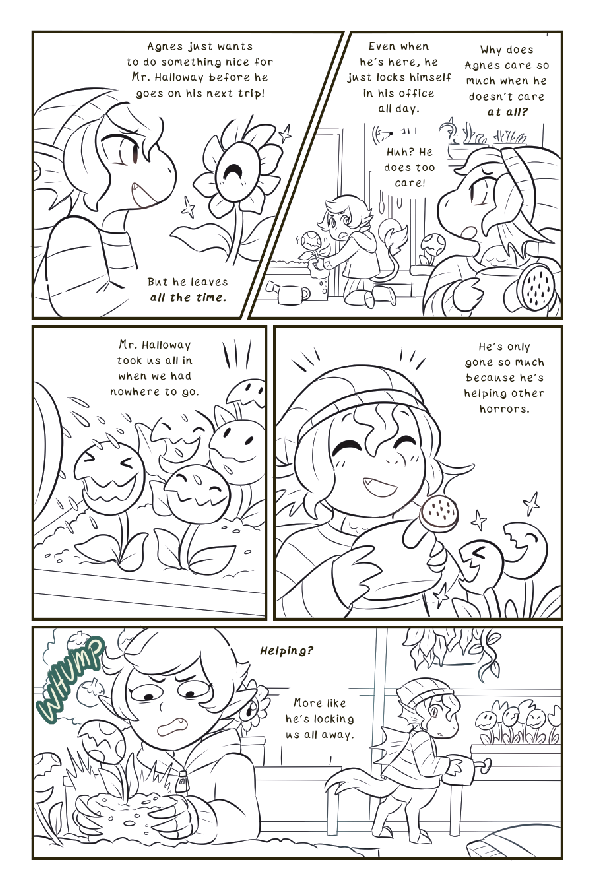
The final part is to drop in flat colors, and then add shading and highlights. This step usually takes me the longest. Once it’s complete, I resubmit everything back to the publisher, and make any further edits until both sides are happy.

Cover Design

This step happens about half way into drawing pages. I always design 6 small ideas to show my publisher, who then decide which idea they’d like to go with. Here are the covers I pitched!

The publisher went with #3! We also ended up having to change the title from “Home for Horrors” to “Misfit Mansion” as requested by the marketing team. Sometimes this happens!

After the pages were done and the cover was finalized, Misfit Mansion would go on to be in bookstores about a year later, in 2023! In total, it took about 6 years from the earliest concepts to the final book. I’ve come to love this book a lot, and I’m grateful for all the love it's received! I truly hope readers will enjoy the sequel when it releases next week.

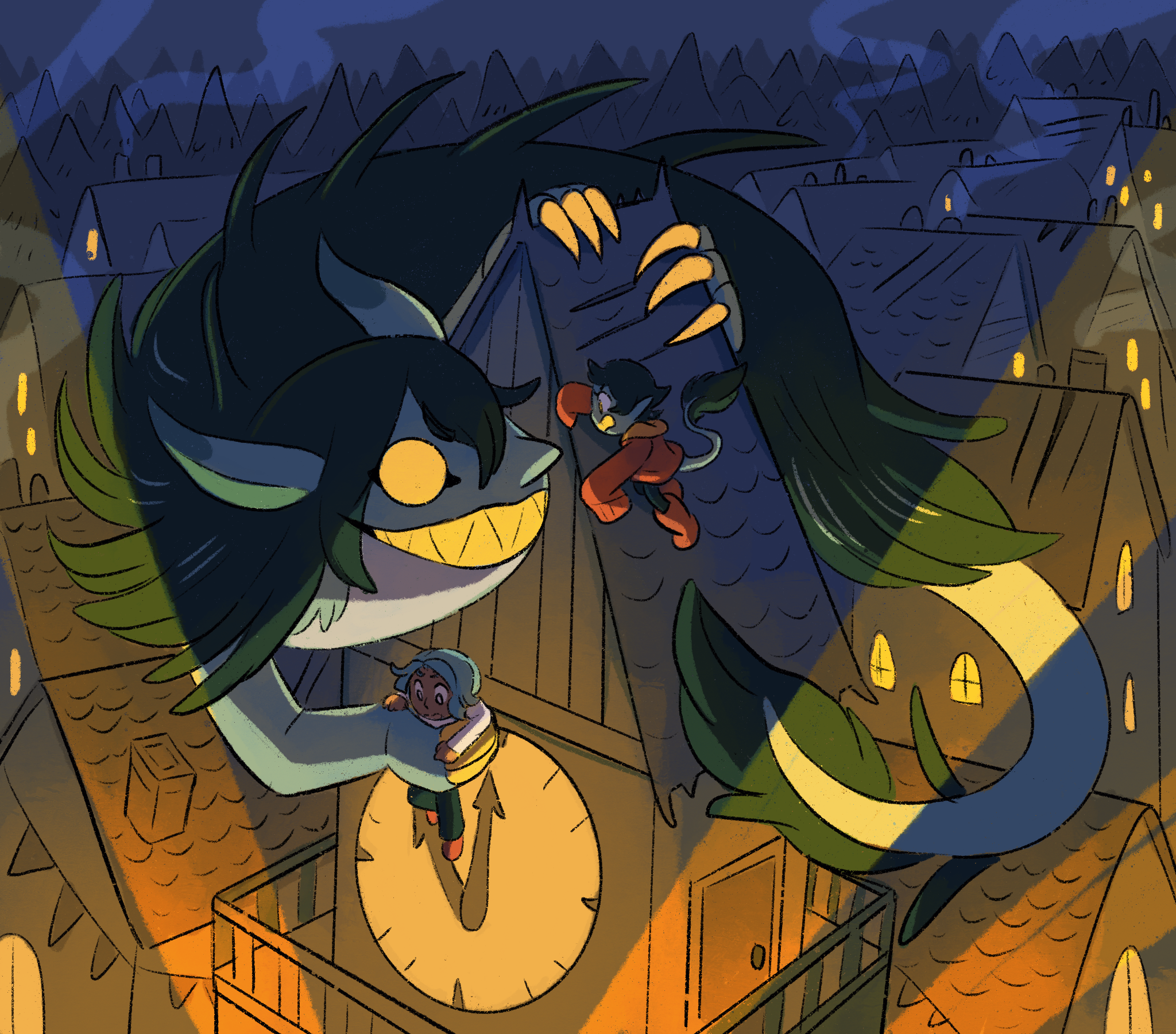
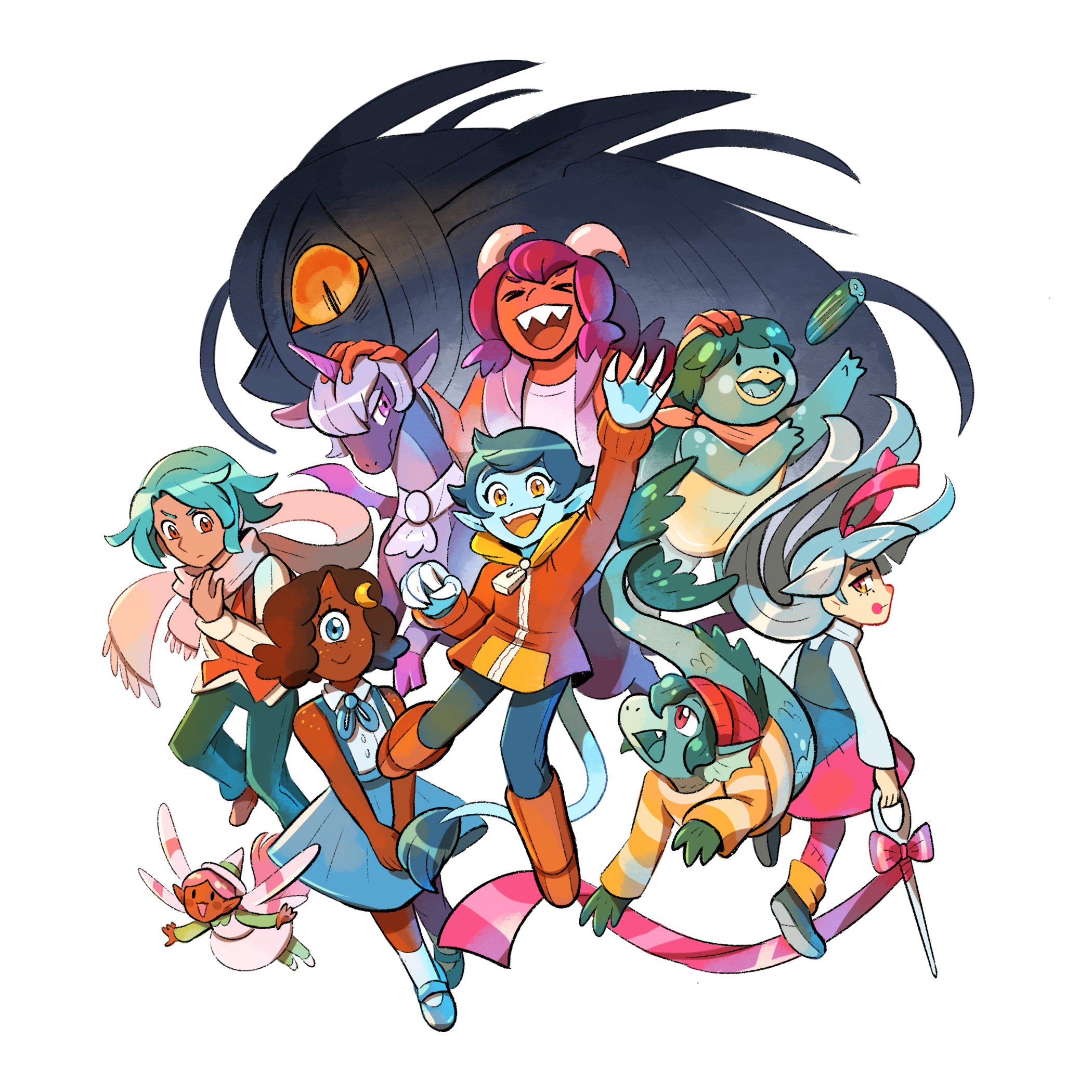
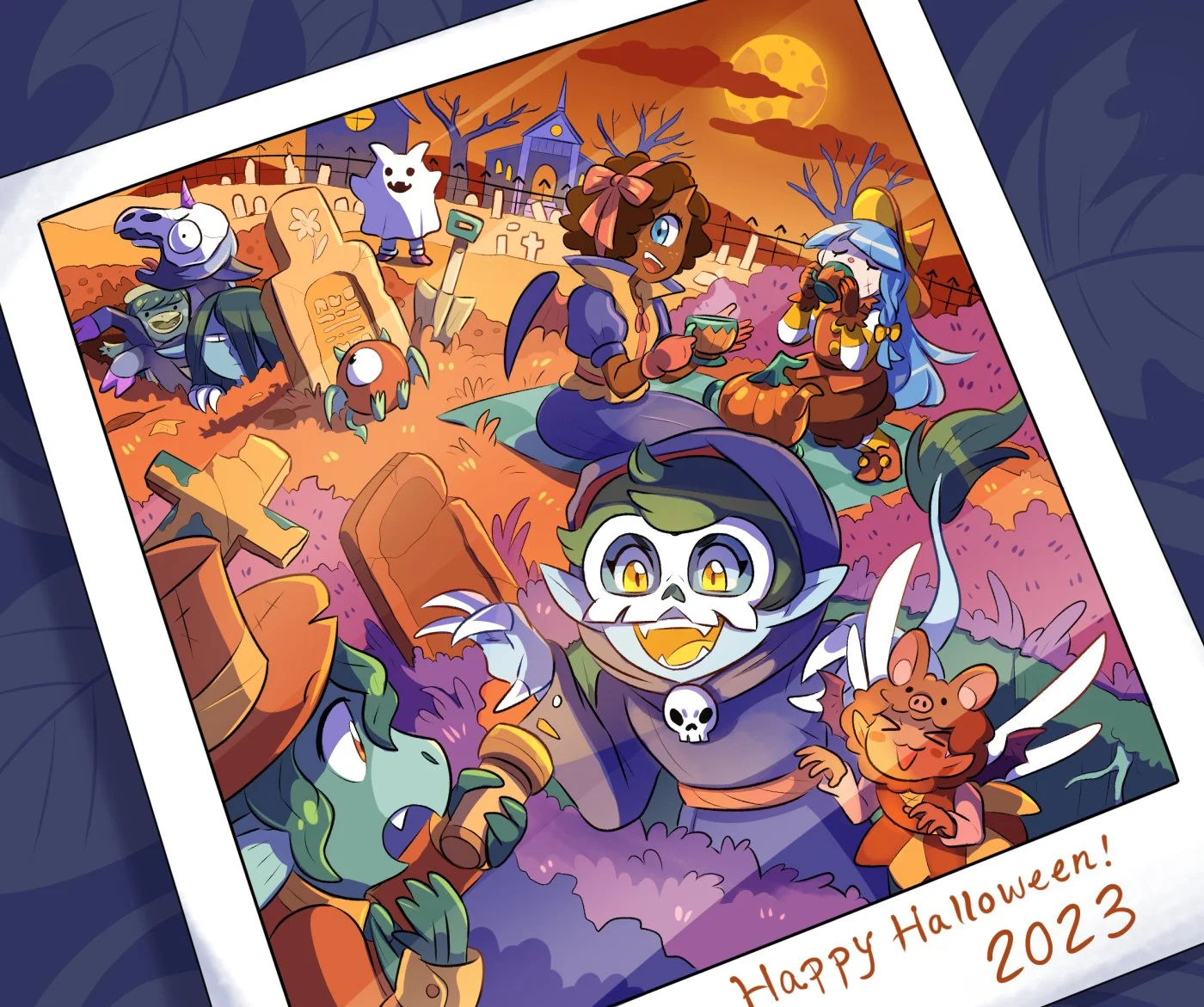
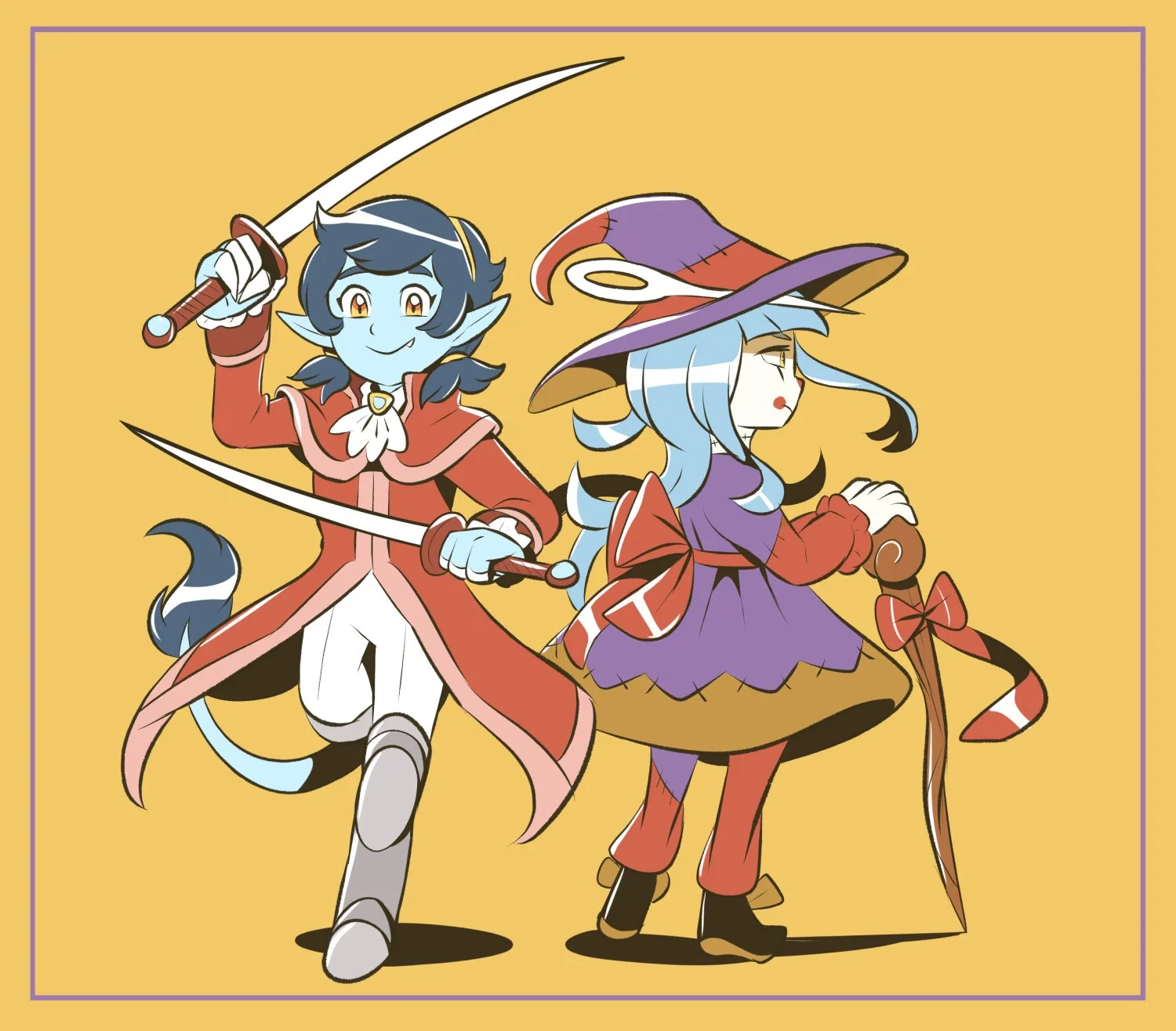
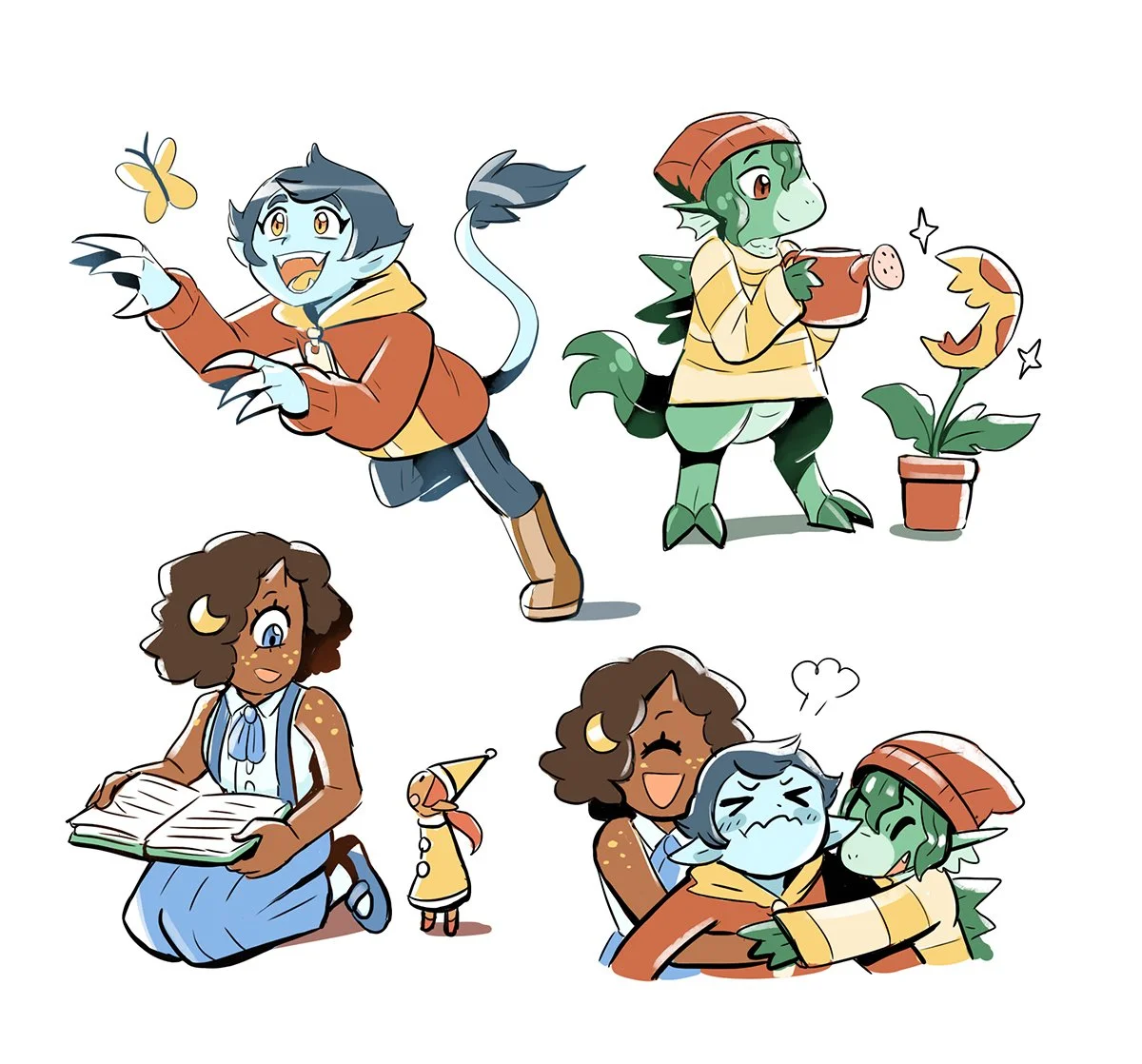
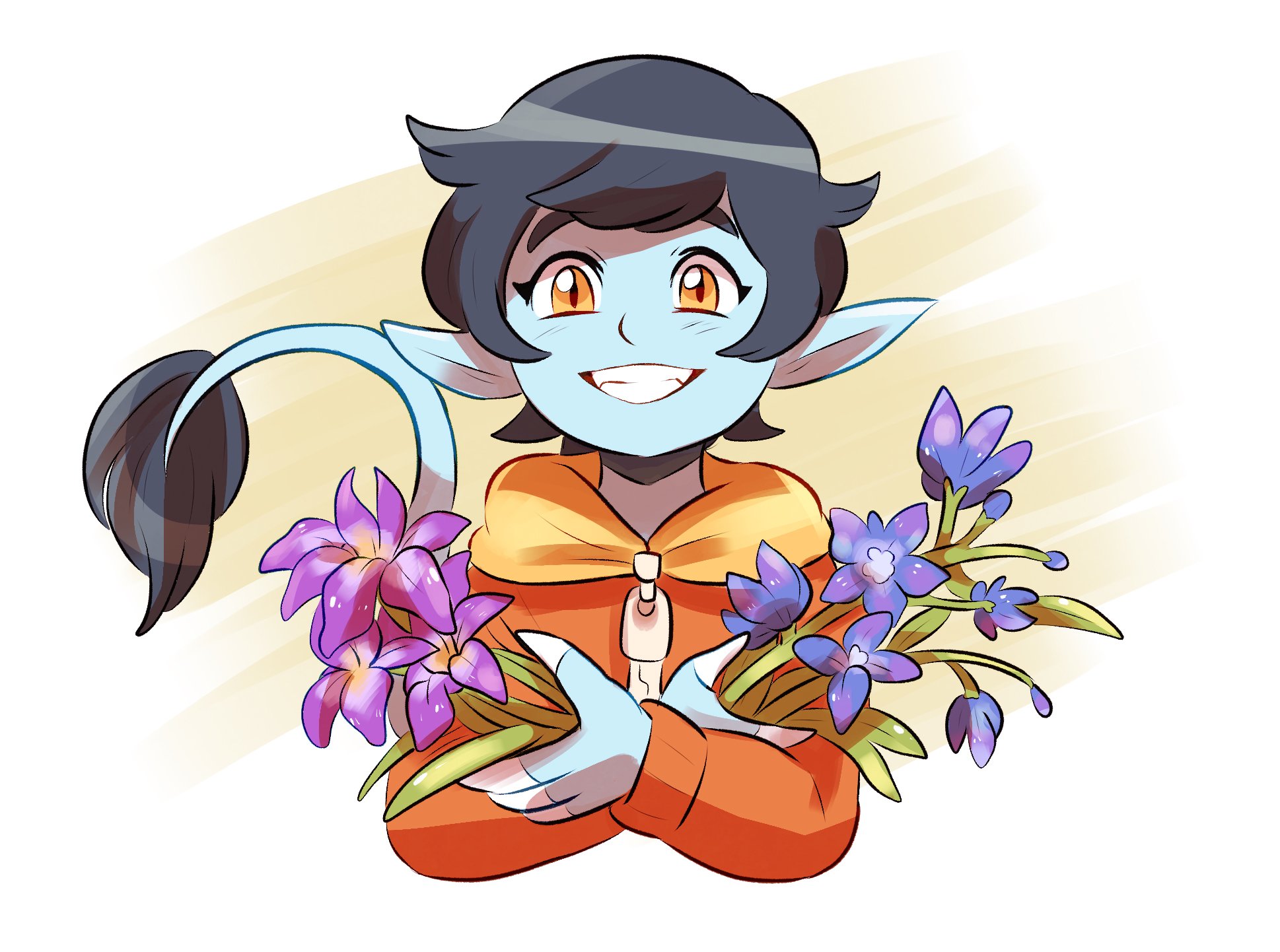
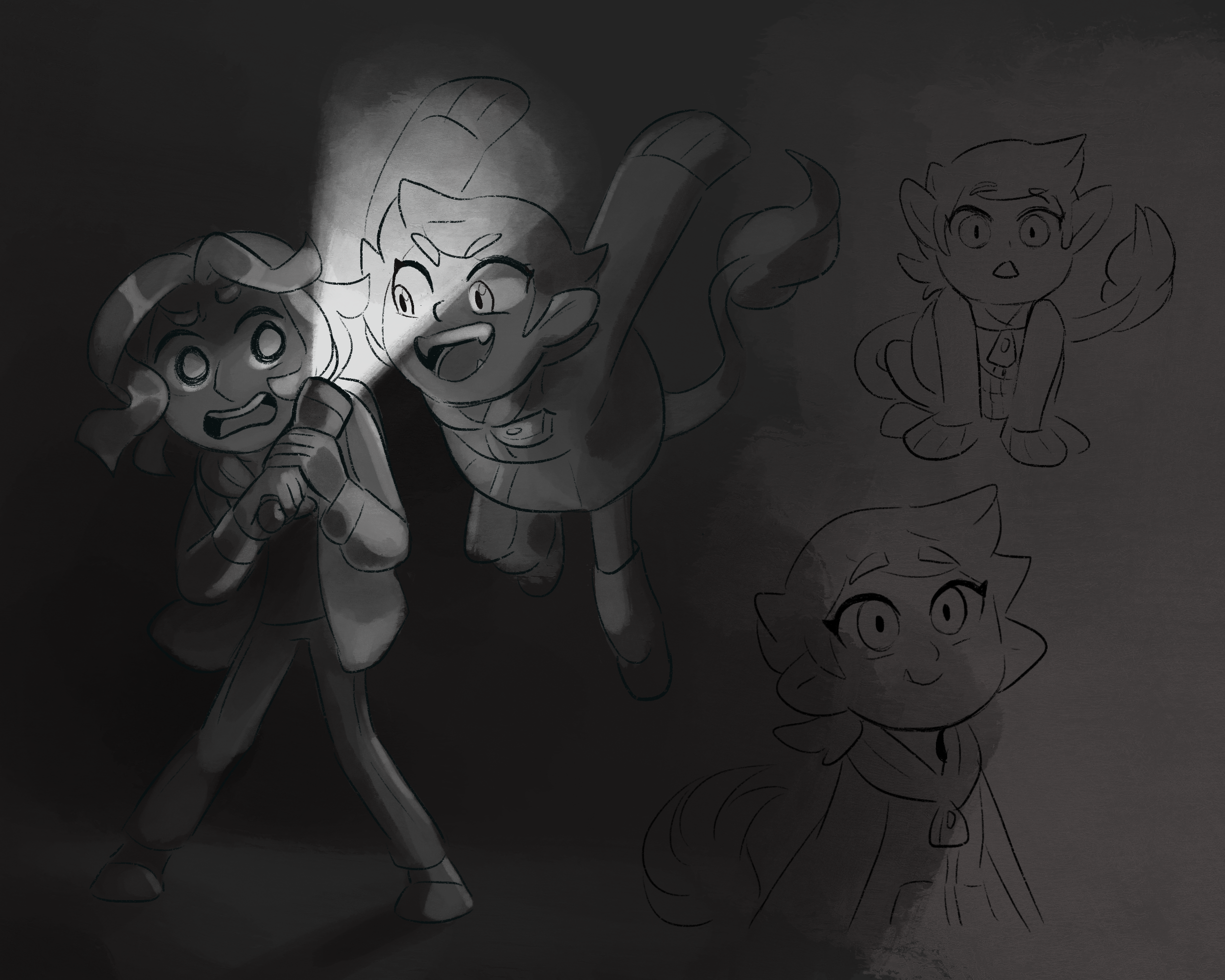
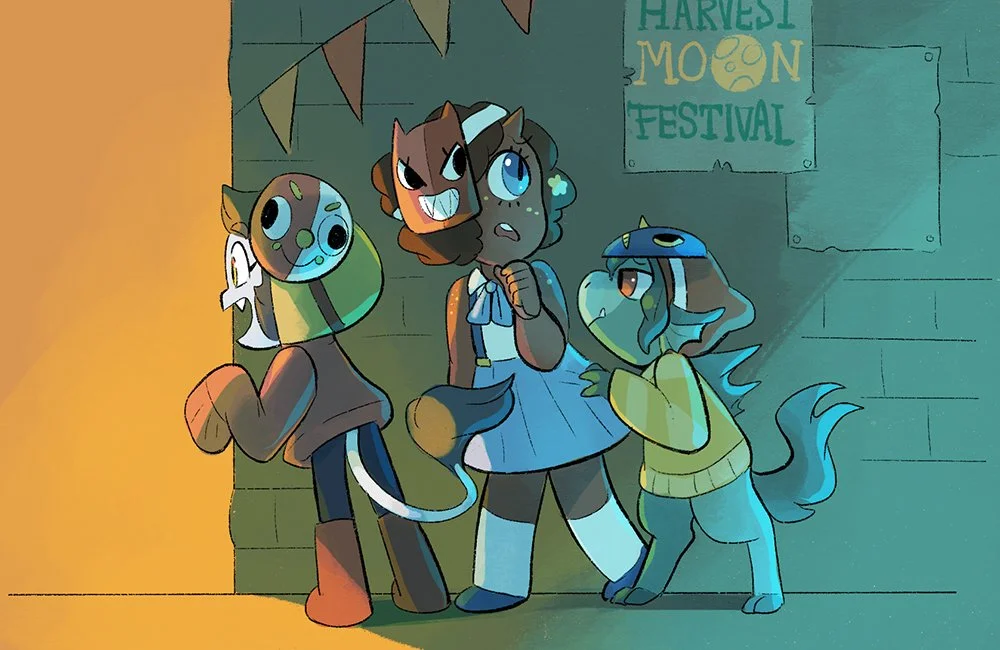
To end, here’s a bunch of art I made throughout the years of working on MM! Thanks everyone for supporting my work!
Getting Stuck on "Art Style"

I've gotten a few emails from young artists asking me how I developed my art style, what they can do to improve their own art styles, and their frustrations with their own work. I really do sympathize with young artists who get wrapped up in art style woes, since the same thing happened to me (and probably everyone who's ever picked up a pencil!). I used to get really frustrated when my art wasn't perfect. I'd compare my work to others, thinking I should be at a certain level at a certain age ("because that one 18-year-old's work is so amazing, why can't that be me?!"), and most of all, always trying to find that "perfect art style."

So now that I'm a 30-something-year-old professional comic artist that hasn't thought about art style in a while, I thought I'd share my own "art style journey," what I was thinking at every stage, and hopefully stress that a perfect art style should never be the goal of art, as it's impossible to achieve perfection! It also isn't a race. Art style is just a reflection of how you currently draw-- as you draw more and improve and become influenced by new things, that style inevitably changes over time. How you draw at 15 will be vastly different than how you draw at 25, or 35, or 80.

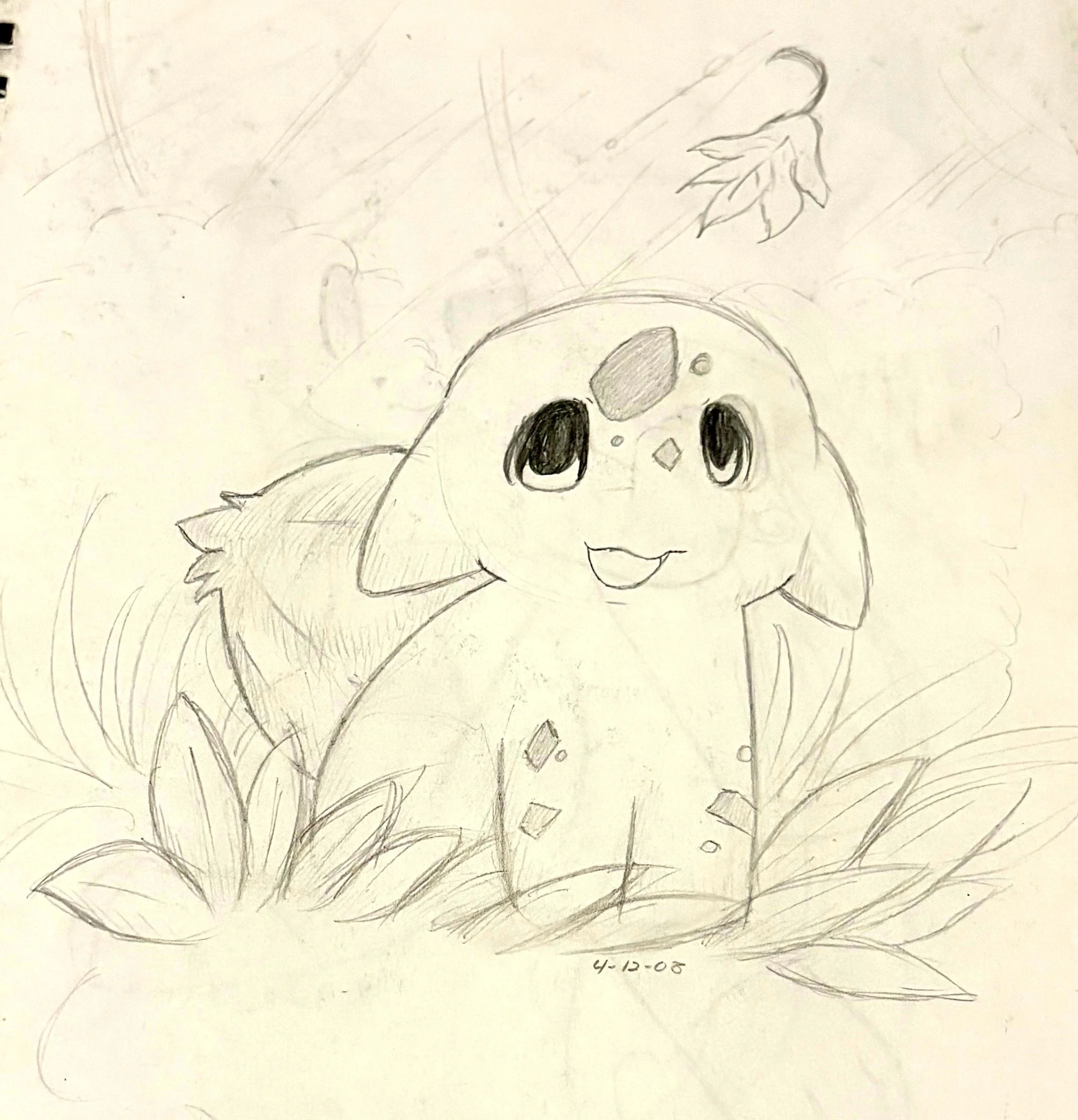
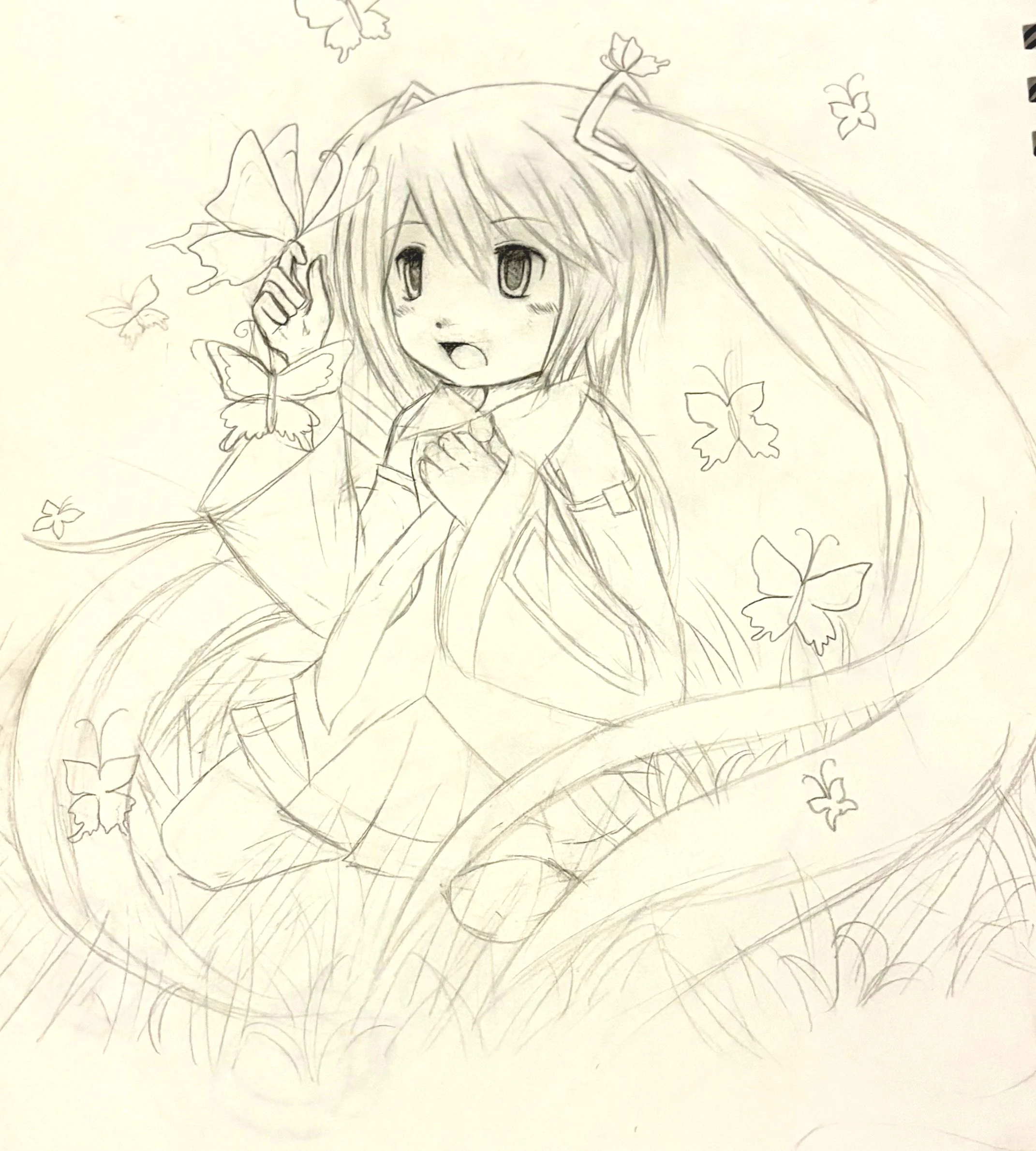
For me, when I was a kid, I mostly drew Pokemon, Sonic, and random anime. Here's some stuff I drew on our now long dead dial-up computer, when I was around 14-16.

This was back in the golden age of DeviantArt, where early 2000s anime styles were king. But by 17-18, I felt my art was starting to look too similar. I wanted to branch out more, so I tried taking influence from western art as well (this is also when I first started conceptualizing ideas that would become Oddity Woods!).

There was still an anime influence, but it also had that 2012 Tumblr style seep in. Also Marietta and Wyatt were adults! And were completely different characters! When OW became more of a mystery/puzzle game-inspired work, I wanted the art to reflect those things. I ended up studying the background characters in the Professor Layton games (old Nintendo DS games I played as a kid), because I really liked the weird shapes they had. I tried incorporating more shapes into my work.

I was really trying to push motion more, while also taking influence from early 2000's western cartoons, which were more angular and had very distinct silhouettes for every character.

Eventually the chibi-er art style came around, influenced by the rounder-looking western cartoons that were popular at the time like Steven Universe.

This was the point where I felt I had the final designs nailed down, but I remember still being so nit-picky and frustrated about my work. I thought "Okay, I want to make Oddity Woods a comic, but I don't want to start until I'm at THIS level," or "Once I'm THIS good, I'll do it!" The thing is... there was no way I was going to start that comic with that mindset. If it wasn't for my college art class pushing me to finally do it, OW probably wouldn't have been made.

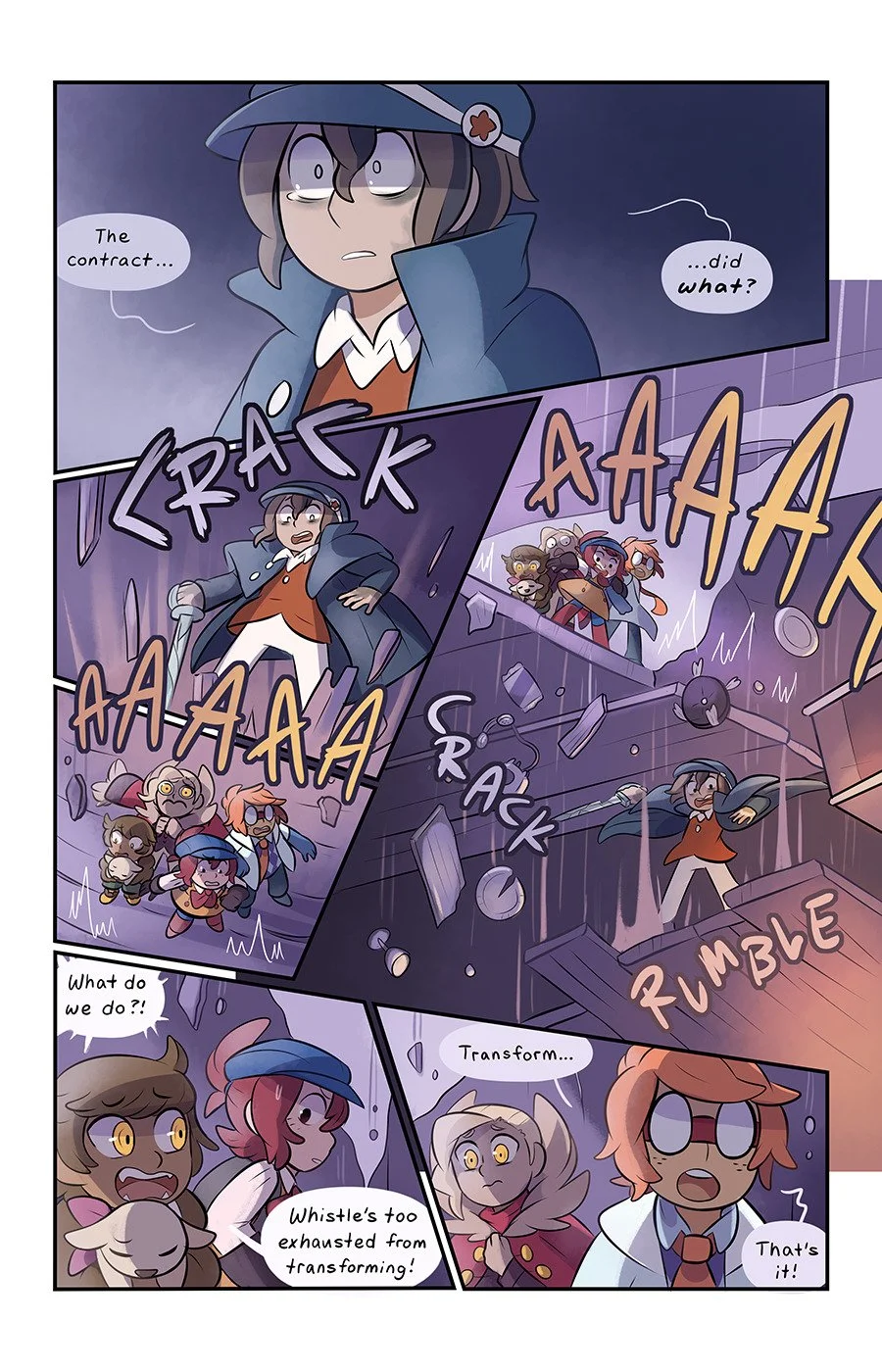
I started making pages of the webcomic in 2015 (I was around 21). The art style wasn't perfect (at least not like the perfect image in my head), and there were a lot of mistakes. But throughout the three years I posted pages, the style continued to change in subtle ways. These pages range from 2015-2018.

Making comics has the really cool effect of forcing you to keep drawing no matter what, flaws and all, and doesn't care about where your art style is at, because it WILL change, like... twenty pages later! As I got progressively burnt out on Oddity Woods due to other circumstances around this time, I swapped tracks to work on Star Knights, which was based on a one-shot comic I made in 2017. Here's some of those old pages...

... versus the later pages of the 2022 graphic novel, 200+ pages in.

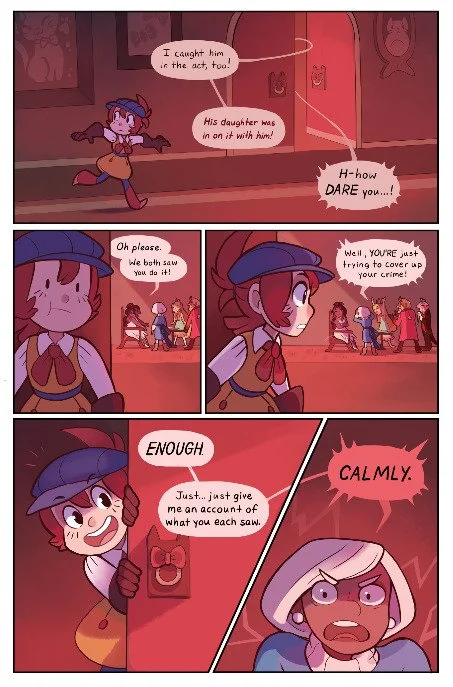
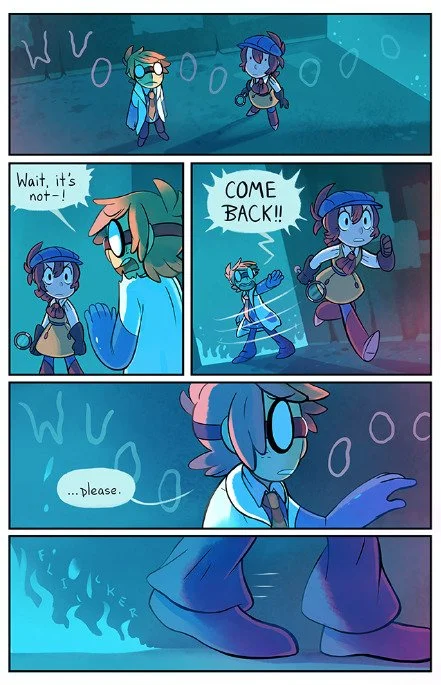
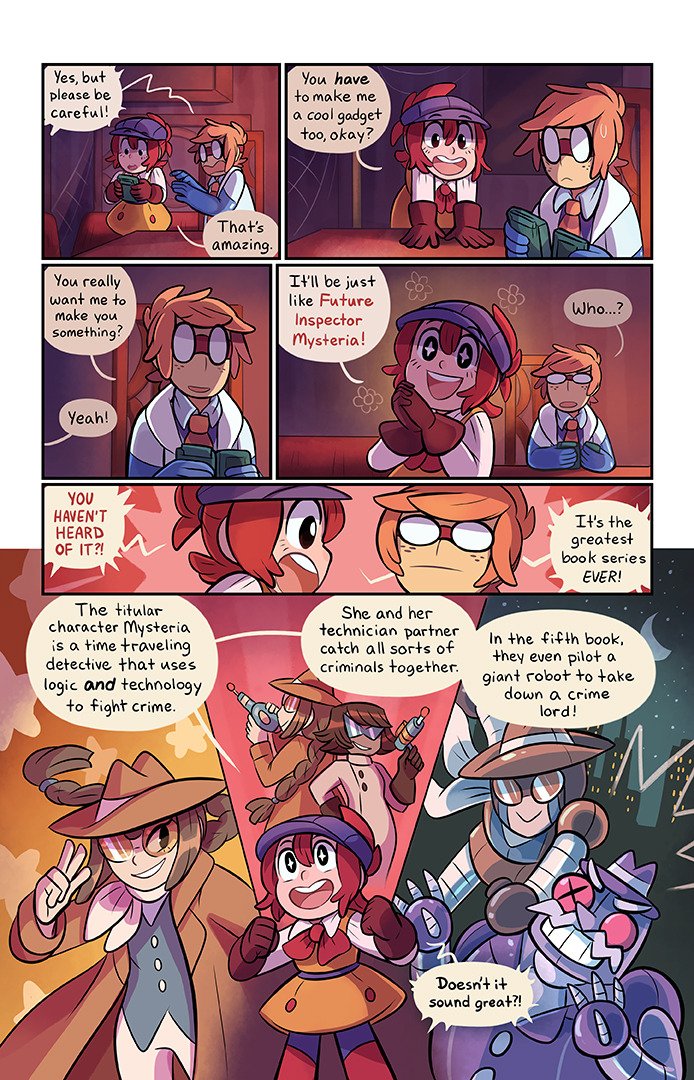
Even Misfit Mansion changed slightly from the original sample pages (pages used to pitch to publishers and are not final versions), versus the pages in the actual book.

Some people may look at all these examples and not really see a huge difference (and maybe that's something to recognize-- we see our mistakes much more easily than others!). But as the artist, the one who was once so bogged down by "achieving the best art style before I start making work!!!", the differences to me are HUGE. My work would not have evolved at all if I was still just focused on art style. Having done hundreds of comic pages, I'm now only focused on drawing fast, and I don't care as much about mistakes.

I still think the art style differences between old OW pages and the updated book pages are pretty noticeable! I wish I could have redrawn all of OW book 1, but again, that would be wasting time I can use to make more comics!!! And I'll probably go back in another ten years and think "I could draw that better now."

Anyway, all of this is to say, just keep drawing and have fun. I personally stopped caring about art style after getting into comics. The more I draw the characters, the easier it all becomes. It's a practice that becomes second nature as you continue doing it.

Q&A #12 - Art-Related Questions

Q: Do you have any tips on creating graphic novels/comics? Any ways to have a faster production process?

Thumbnails from Star Knights! “Thumbnails” are rough sketches of a pages.

A: For graphic novels, speed is definitely important! I work fully digitally, usually in batches of pages at a time. So after I have thumbnails of every page, I’ll take a chunk and do the line art, then when I get burnt out of that, I'll swap and do color flats and shading. Clip Studio Paint has a lot of great shortcuts, and I recommend it to anyone wanting to do comics (especially for flatting quickly). Also vector line art layers in CSP are super convenient!

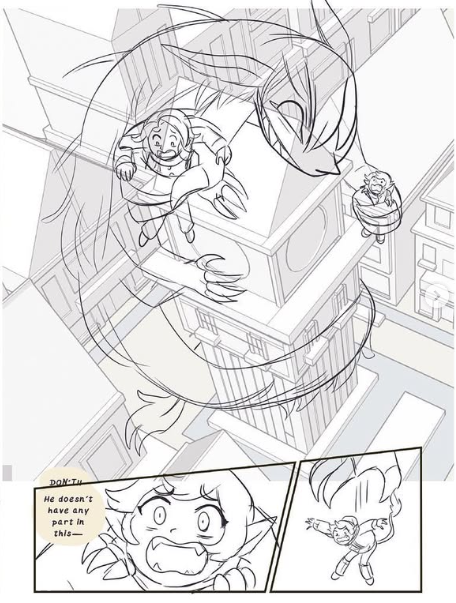
Using apps like Sketchup to create 3D models of buildings.

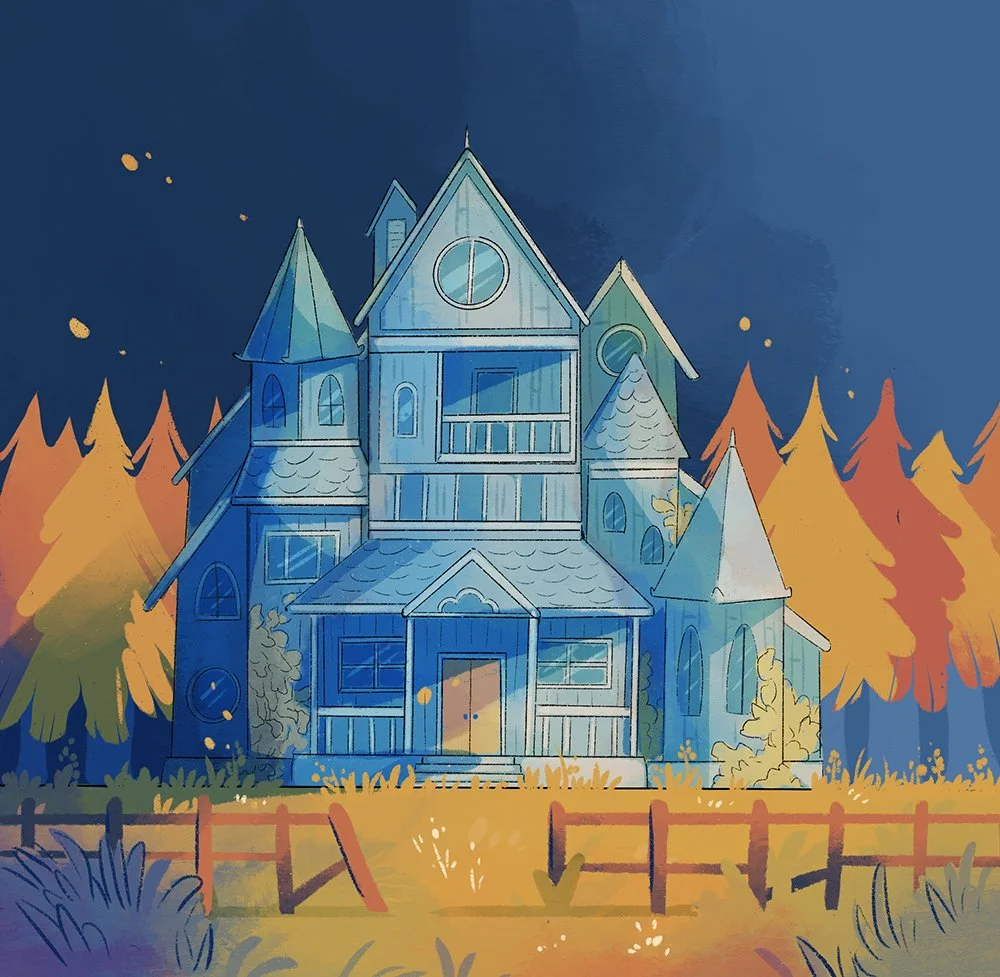
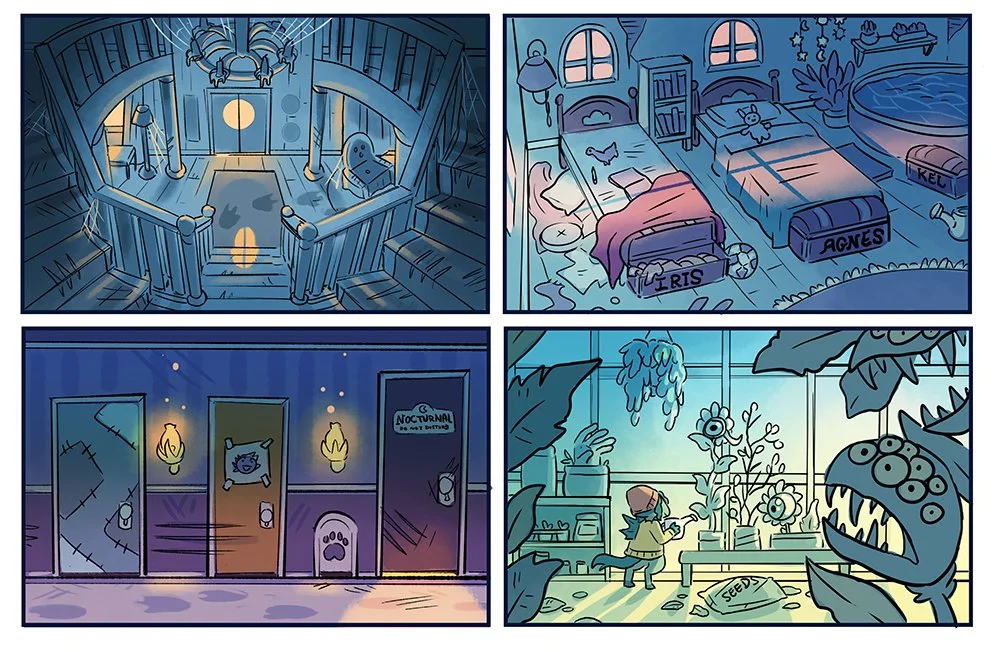
I also reuse drawings when I can, mostly for backgrounds. I’ve copy pasted buildings before to save time. I’ve also used sites/apps like Sketchup to make models of buildings that I can trace over (this was especially helpful for Misfit Mansion).

Simplifying colors can also save time, like coloring a crowd scene/ group of background characters a solid color instead of coloring every single one…also I try not to get too bothered by something not looking great. Most people read so quickly they aren’t going to notice stuff I might be hung up on as the artist.

Q: How did you come up with your art style? I’m having trouble figuring out what my art should look like.

A: I think getting stuck on perfecting your art style is very common for younger artists, and was definitely something I struggled with as well. I think when you’re starting out, the most important thing isn’t to figure out what the drawing should look like, but to first learn how to draw everything. The more you draw, the more your style will fall into place. After all, an “art style” is just a reflection of how you see the world! While it’s great to find influence from other styles you like, strive less to copy exact that thing, and work more on improving your drawing skills first. Draw from life— rooms, buildings, cars, people! But also, have fun with it! My own art style has changed many times over the years, and will continue to change in the future. Here are some drawings I did in middle school, when I was mostly influenced by Pokemon and anime/manga.